La Zagara, or How I Was Drugged in Sicily

January 21, 2010


Here’s how I got into trouble.

After teaching a short course in Ragusa in 2002, I’d returned year after year to Southeast Sicily to root around for a little casa. The Fates pushed back with all their might and I finally admitted defeat.

In the spring of 2007, I came to see friends one last time and close the Sicilian chapter of my life. Ciao, Sicilia.

A day before bidding the island farewell, I scaled the long staircase up from Ibla’s Piazza Duomo to see the cupola from on high. After many years cocooned in scaffolding thick as wool, it had reemerged triumphant.
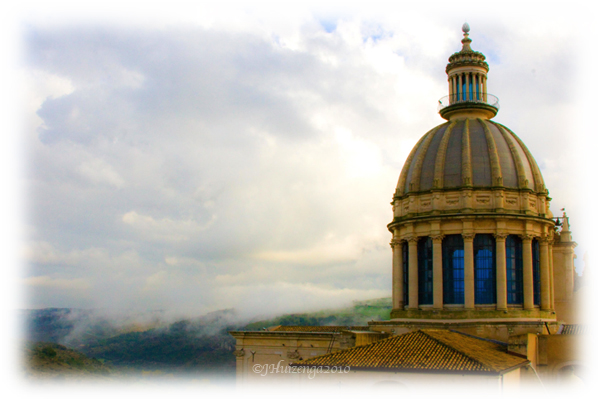
San Giorgio Cathedral, Ragusa Ibla, Sicily

It looked good enough to eat, like whipped cream on a tumbler of granita. I felt a secret joy. Bells tolled, clouds slipped up from the valley. I inhaled la zagara—orange blossoms on the breeze—like a drug.

I turned. There, on an unassuming little row house with a mottled wall and weatherworn door, I saw the magic words: VENDITA.
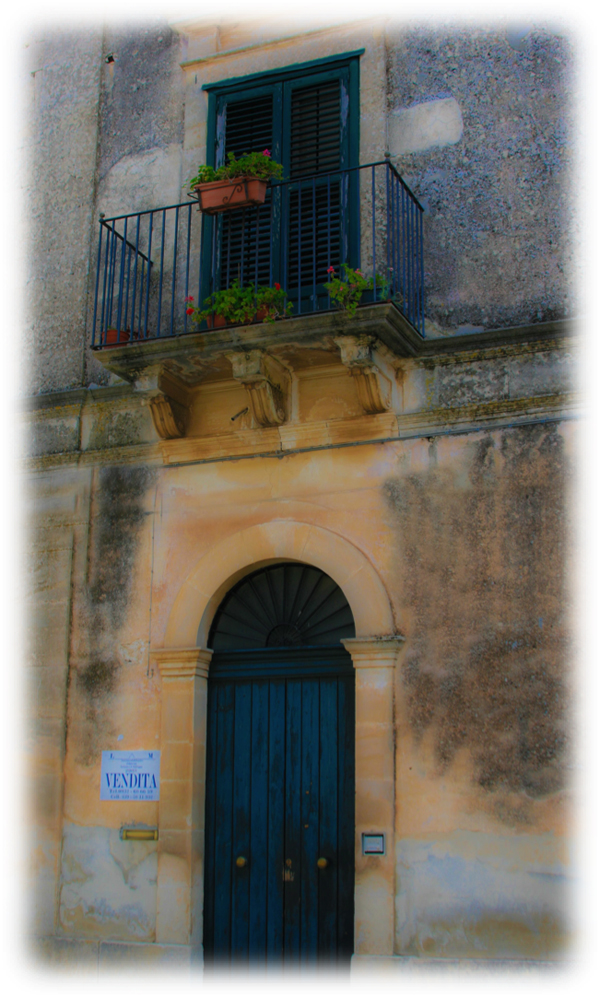
House in Ragusa Ibla

I saw. I called. I bought. Cast myself into a new world just like that. 1-2-3.

Never imagining for a minute what was in store.

italytutto Top 10 Blog

Leave a Comment.

Please subscribe.

Sicilia Dreamin’

January 19, 2010.


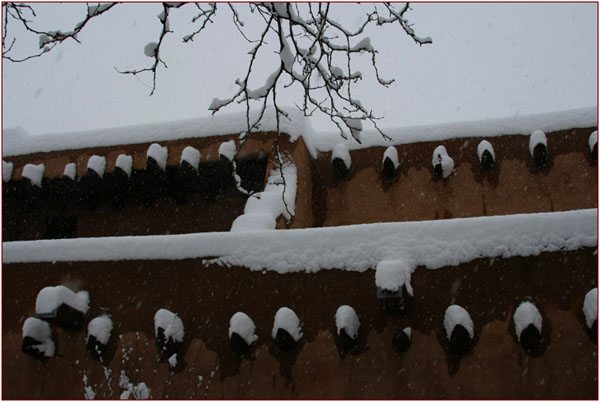
In the mud-walled winter town of Santa Fe . . .

Santa Fe Snow, Winter

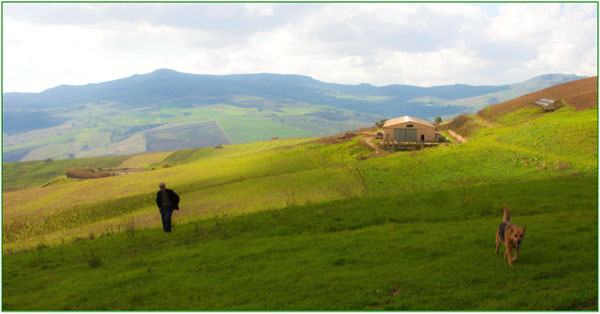
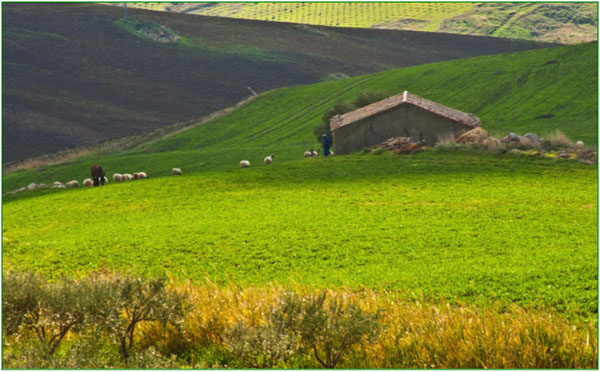
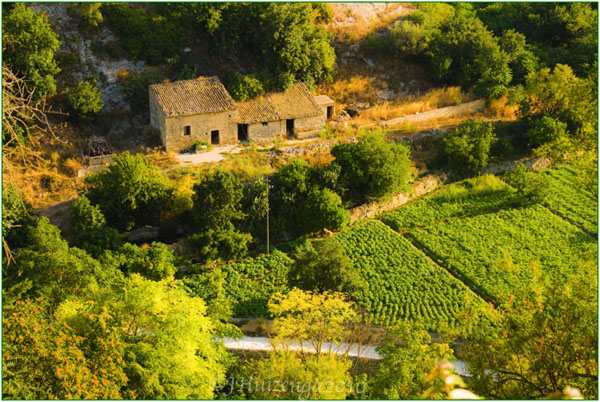
I dream of a Sicilian spring.

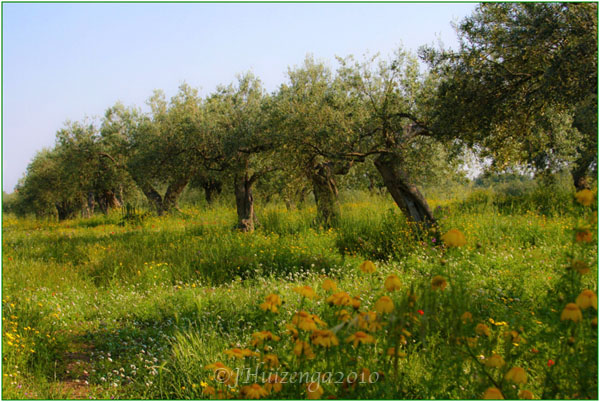
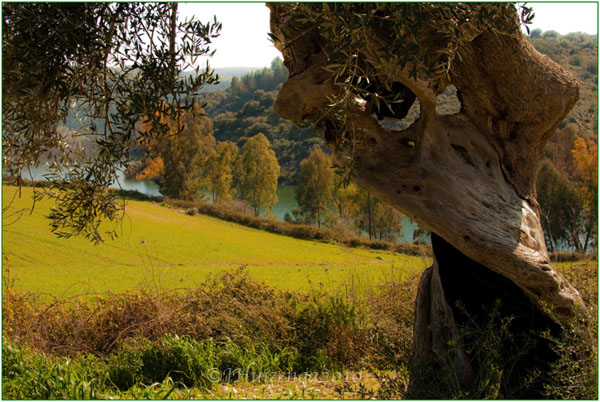
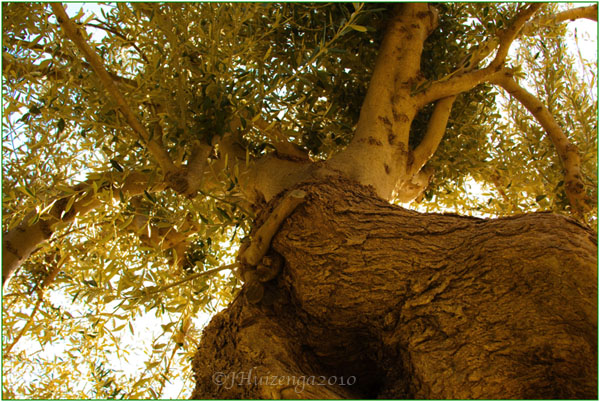
Spring in Sicily, Farmer and Dog in SicilySicilian Spring, Green Field in Italy, Sheep in Sicilian FieldSicilian Spring Scene, Ragusa Ibla, Sicilian Olive Grove at SpringtimeSicilian Olive Tree TrunkOld Olive Tree in Sicily

Leave a Comment

Subscribe (its Free)

Southeast Sicily: Sirens and Seraphim

January 15, 2010


Baroque Sicily is

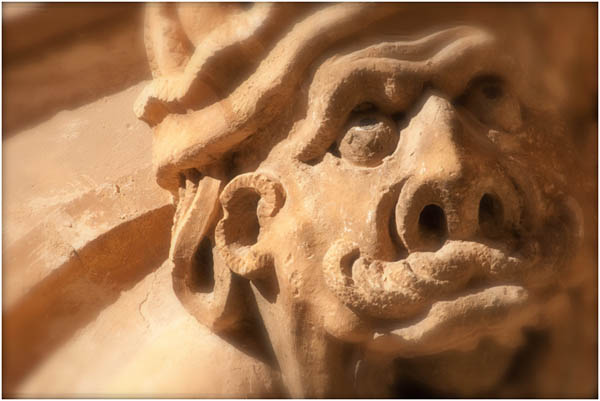
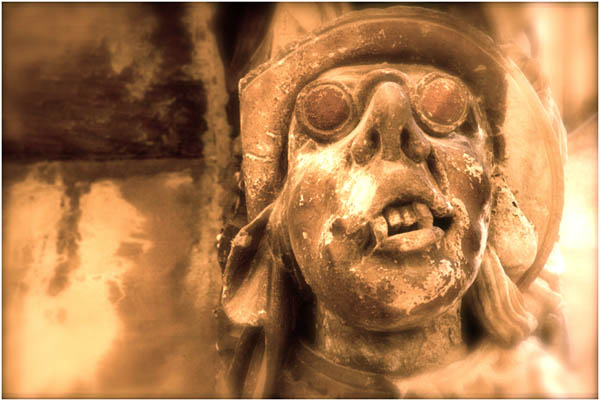
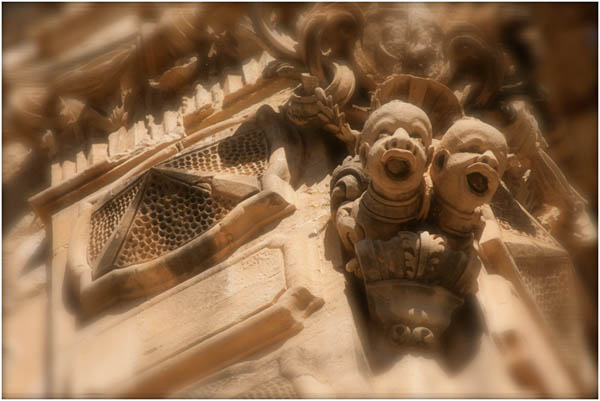
Southeast Sicily, stone grotesque, gargoyle

stone the color of fresh-baked bread;

Southeast Sicily, stone grotesque with glasses, gargoyle

scary souls in spectacles;

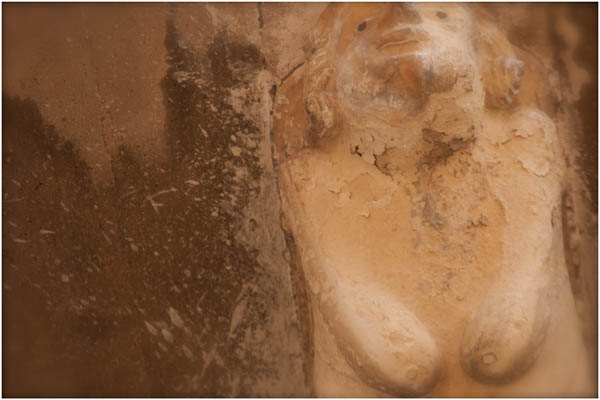
Stone Siren, Southeast Sicily

Sirens and

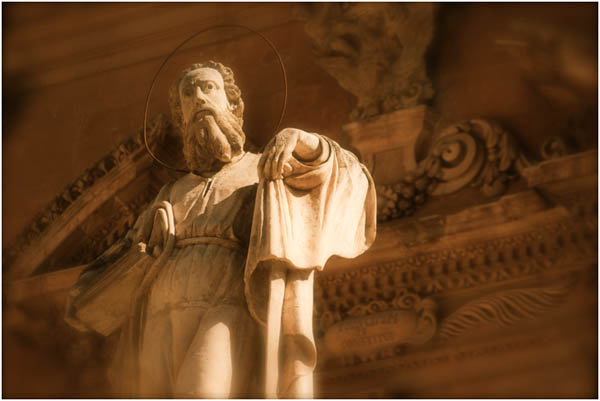
Sculpture of Saint, Modica, Sicily

saints;

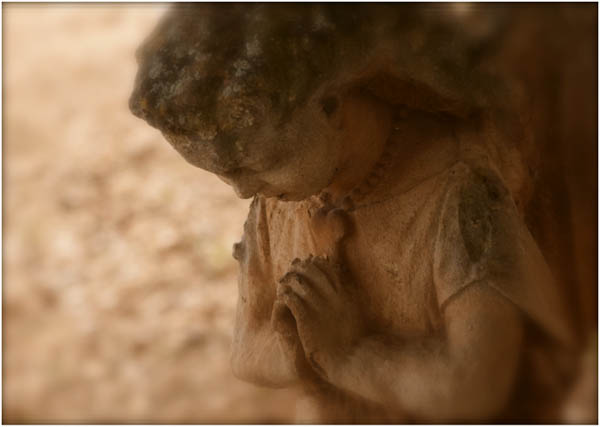
Sicilian Cemetery, Stone Angel

seraphim and

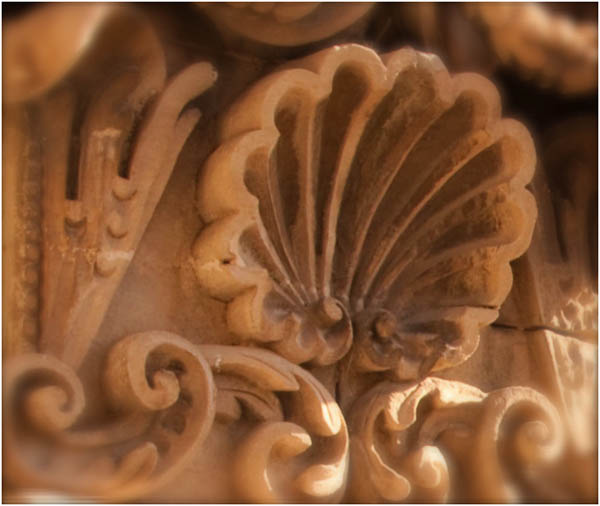
Stone shell, southeast Sicily, Ragusa Iblaseashells;

Baroque stone detail, southeast Sicily

spirals and squiggles and

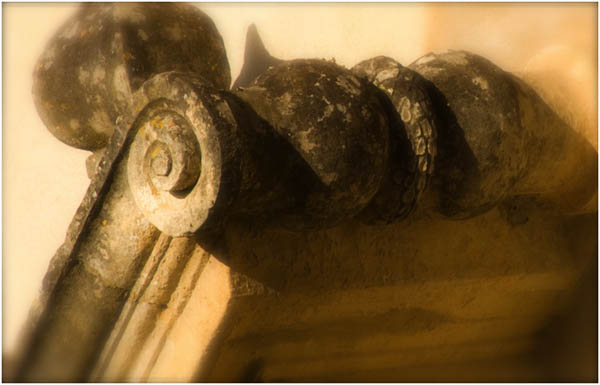
Baroque stone scroll, southeast Sicilyscrolls and swirls.

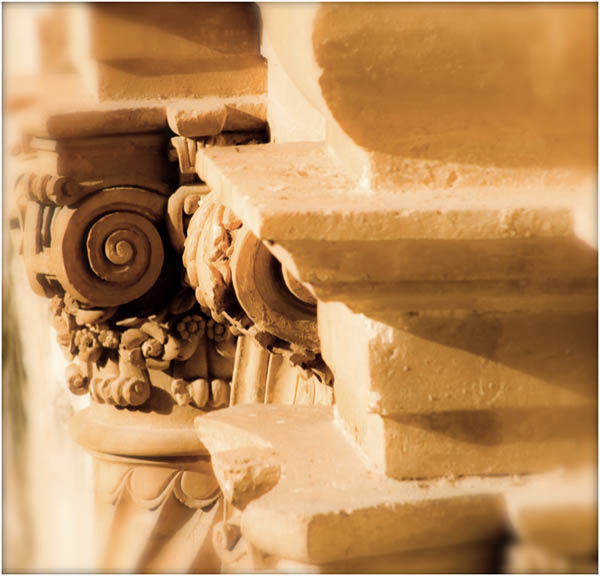
Baroque architectural details, Scicli, Sicily, ItalyA symphony of  sandstone.

Ah, Sicily. See-chee-lya. Sikelia.

***

Leave a Comment

Please Subscribe. It’s Free!

If God Wills It: A Story of Leftover Linguistics

January 12, 2009

A reader emailed to ask me about Arab influences in southeast Sicily—in addition to the majolica mentioned in my last post.

There are so many leftover traces!

I want to share a personal story.

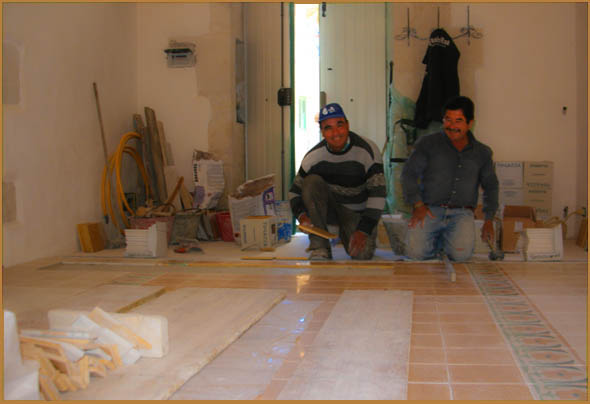
Do you see the man on the left, in the baseball cap? That’s Emanuele, assistant to my beloved (new) stonemason, Giorgio, the cap-less fellow, who warbles Sicilian love songs as he works, though that’s beside the point.

Here is a typical exchange between Emanuele and me:

Me, shaking his hand: A domani! See you tomorrow!

Him: Se Dio lo vuole, if God wills it.

Me: I think you’ll be able to finish tiling around the bidet.

Him: Se e la voglia di Dio, if it is the will of God.

When I first met Emanuele, I’d just returned from Morocco, where Inshallah, God willing, is a constant refrain. The fact that he used the same refrain astonished me. Curiosity got the better of me and I asked if he was Muslim.

His eyes bulged from their sockets at this suggestion, and his head jerked back on his thick neck (an Arab gesture for no.). Gianna, no!  Ma che dici! Sono cattolico! Sono proprio, cento percento, cattolico!”

Scratch a Sicilian, I heard somewhere, and you’ll find a Saracen. Never mind that the two-plus centuries of Arab domination of the island ended more than a millennium ago.

*****

NOTE: There’s a new book written by Alfonso Campisi, Ifriqiyya and Sicily: A Mediterranean Twinning, that retraces Sicily’s Arab history, but I haven’t been able to find it online. For a good summary on Arabs in Sicily click this link to Best of Sicily Magazine.

Won’t you please subscribe to this blog? It’s free!

Leave a Comment

A Story of Sicilian Steps

January 10, 2010

In my new incarnation as a siciliana, I look around wide-eyed. Then I

mimic

copy

follow

ape

echo.

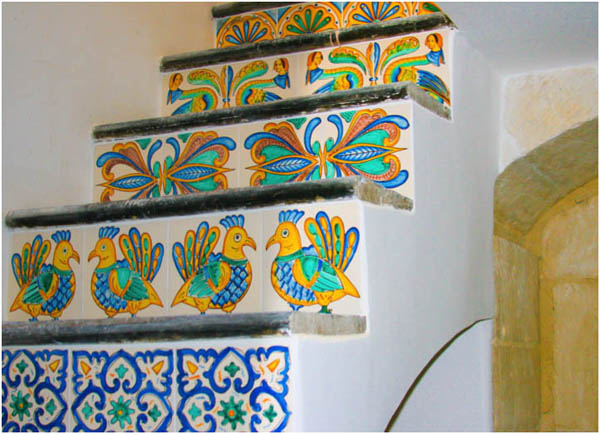
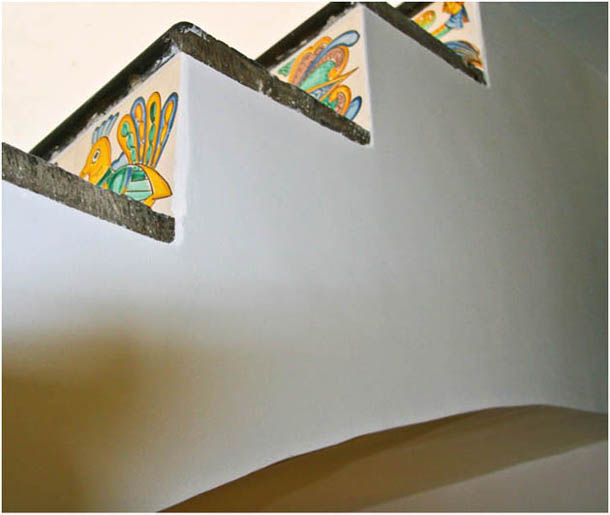
Above is my version of the famous staircase at Caltagirone.  The 25 tiled steps are disturbingly steep and narrow, a sheer cliff that I scale like a mountaineer.

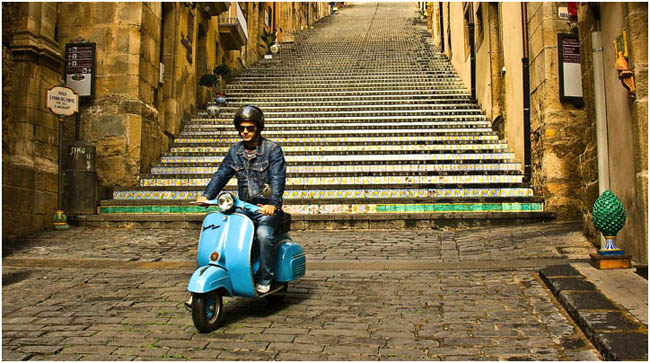
The real deal in baroque Caltagirone is wide and grand—142 steps high and the size of a two-lane highway.

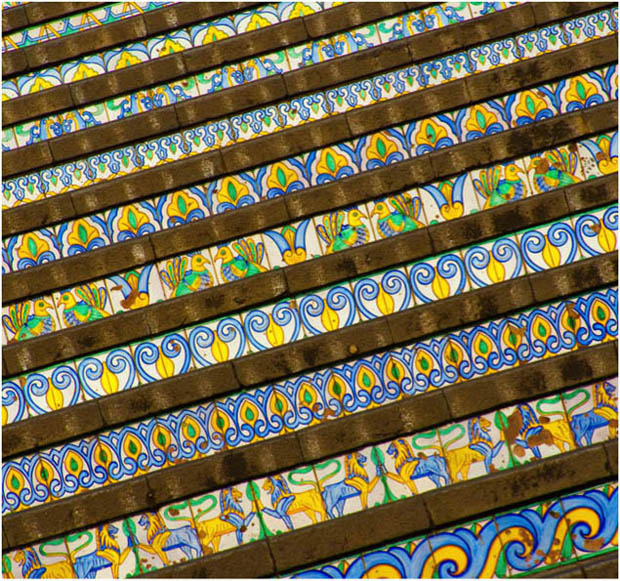
The old scala—tiled in the 1950s—bears motifs from as far back as the 10th century and bursts with vivid Caltagirone colors: sunny citrus, shiny indigo, acid green. There are mythic birds and beasts, nobles, flowers, and geometric designs. Sicilians learned majolica production from the Arabs, who had a “monumental influence” on Sicily, and many of the Escher-like designs of North African zellij found their way here.

My tumbledown staircase turned into an ordeal, the way these things do. The work dragged on for a year and a half, longer than it took to tile the entire grand staircase at Caltagirone.

Come è possibile, you ask?

Well, I measured only one step before placing the entire order for 100 hand-painted tiles, assuming the steps were of equal size.

Oh, you naïve straniera you.

My stonemason shook his head sadly and managed to grind down some of the tiles without spoiling the designs too much—and even chink-chinked away at some of the too-small steps. But for the too-big steps I measured again, ordered again, waited again, dashed back and forth to Caltagirone, waited some more.

Not only that: I had to sack the mason for an unrelated disaster in the middle of things (a blog topic for later if I dare).

In the end, though, my pesky staircase has gotten hold of my heart. It’s sweet. Nun si mancia meli senza muschi,” as Sicilians say. You can’t eat honey without flies.

Won’t you please subscribe to my blog? It’s free!

Leave a Comment

Site Meter BlogItalia.it - La directory italiana dei blog